
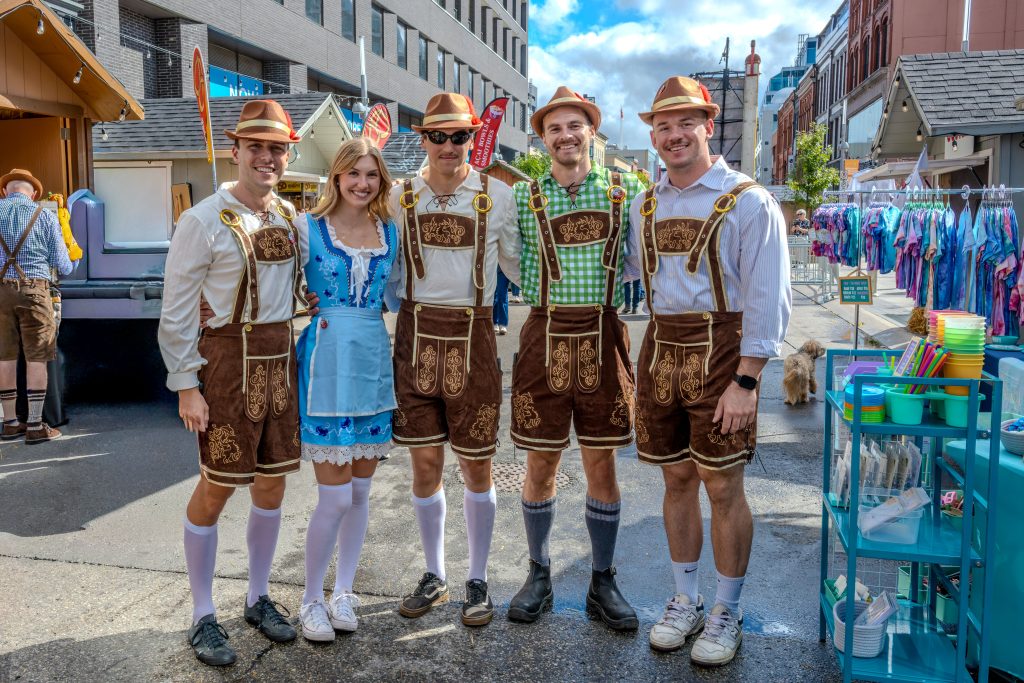
When we think of German-American culture, images of lively Oktoberfest celebrations, hearty sausages, and perhaps iconic car brands often come to mind. While these are cherished aspects of our shared heritage, they only scratch the surface of the profound and often unseen legacy left by German immigrants on the fabric of the United States. Beyond the biergartens and traditional festivals, German-Americans have been quiet innovators, driving progress in fields from brewing and manufacturing to science and technology, shaping the very landscape of American ingenuity.
From the earliest waves of immigration, Germans brought with them not just their families and traditions, but also a robust work ethic, meticulous craftsmanship, and an inherent drive for improvement. In cities like Milwaukee, Cincinnati, and St. Louis, German immigrants didn’t just establish breweries that became household names-they revolutionized the industry with advanced techniques and business acumen. Beyond beer, German craftsmen and engineers were instrumental in the development of American manufacturing, textile production, and even the early pharmaceutical industry. Their dedication to precision and quality set new standards that benefited the entire nation. These thriving German-American towns became incubators of practical innovation, blending old-world skills with new-world opportunity.
As the nation grew, so did the scope of German-American contributions. In the sciences, figures like Charles Steinmetz, a German immigrant to Schenectady, New York, became a wizard of electrical engineering, making groundbreaking discoveries that powered America’s industrial revolution. Later, the influx of German scientists and engineers, many fleeing political turmoil in Europe, propelled American advancements in fields ranging from rocketry to nuclear physics, fundamentally altering the course of the 20th century. While some of these contributions are well-known, countless others from less famous individuals created the bedrock for American scientific and technological dominance. Their rigorous academic training and methodical approach to problem-solving instilled a culture of innovation that continues to this day.
The influence wasn’t limited to industry and science. German-Americans also enriched the nation’s cultural and intellectual life. From the pioneering kindergarten system, a German invention brought to America by Friedrich Fröbel’s followers, to advancements in classical music and architecture, their impact was broad and transformative. Many prominent American universities and educational institutions trace their roots or significant growth to German academic traditions, emphasizing research and scholarship. Even the concept of a “Christmas tree” found its widespread adoption in America thanks to German immigrants, a small but enduring example of cultural innovation.
The enduring spirit of German-American communities has consistently fostered an environment of ingenuity and progress. This legacy is a testament to the blend of practical skill, intellectual curiosity, and an unwavering commitment to quality that defines much of German culture. It reminds us that heritage is not just about looking back, but also recognizing the continuous impact of past generations on our present and future.
So, the next time you enjoy a local craft brew, marvel at a technological advancement, or simply appreciate a well-built product, remember the unseen threads of German-American innovation woven into its very existence. It’s a legacy that continues to shape America, far beyond the familiar tastes and sounds, making German-Americans truly unsung heroes in the nation’s story of progress.